
 Español
 Portugues
 Pусский
 Français
 Deutsch
 日本語
日本語 한국어
한국어 العربية
 Italiano
 Nederlands
 Ελληνικά
 Svenska
 Polski
 ไทย
ไทย Türk dili
 हिन्दी
 Indonesia
 Melayu
 Tiếng Việt
 中文
中文 dansk
dansk Magyar
 қазақ
қазақ বাংলা
বাংলা עִברִית
 čeština
 Soomaali
 မြန်မာ
 فارسی
فارسی українська
 norsk
norsk Gaeilge
 беларускі
 Română
 ພາສາລາວ
 Filipino
 lietuvių
 Cymraeg
 македонски
 Suomalainen
 slovenský
 o'zbek
 اردو
اردو հայերեն
 Igbo
Igbo български
 سنڌي
سنڌي Shona
Shona සිංහල
සිංහල Hrvatski
 íslenskur
 galego
 català
 Zulu South Africa
 Afrikaans isiXhosa
 ಕನ್ನಡ
ಕನ್ನಡ lëtzebuergesch
 Indonésia Sunda
 Кыргызча
 тоҷикӣ
 Србија
 Twi
Twi Hawaii
 Cebu
Cebu नेपाल
नेपाल euskara
 frissi
 יידיש
יידיש latvija
 slovenija
 kiswahili
 ਪੰਜਾਬ
ਪੰਜਾਬ پښتو
پښتو საქართველოს
 hua moni
 bosna
bosna Kreyòl ayisyen
 Eesti
Eesti Gàidhlig na h-Alba
 Samoa
Samoa Монгол
 Azərbaycan
 አማራ
አማራ Shqipëria
 Malagasy
 Malta
Malta ខ្មែរ
ខ្មែរ Chicheva
 中文(繁体)
 ଓଡିଆ
ଓଡିଆ Setswana
 Afrikaans
 Aymara
 Башҡорт
 Türkmenler
 ትግሪኛ
ትግሪኛ Afaan Oromoo
 অসমীয়া
 Kinyarwanda
 Ilocano
 Wolof
Wolof अवधी
अवधी Oluganda
 Bikol
Bikol Fulɓe
Fulɓe Kikongo
 Sango
Sango ދިވެހި
 Lingala
 मैथिली
 Tsonga
 ꯃꯦꯏ ꯊꯥꯏ꯫
 brezhoneg
 Furlan
 नेवा
नेवा རྫོང་ཁ
 Santali
 Аҧсуа
Аҧсуа Нохчийн
 Чӑваш
Чӑваш Татар
Татар Batak Karo
 دری
دری Diura
Diura Fengyu
 Eʋegbe
 Iban
Iban Fiji
Fiji Tonga
Tonga Inuktitut
 Nahuatl
 maaya yucatec
 Runasimi
 guarani
 Qafar
Qafar Acholi
 Dinka
Dinka Luo
Luo Lundi
Lundi isiNdebele
 Tshivenḓa
 Sesotho sa Leboa
 Sesotho sa Borwa
 Ndumbe
 Papuan Pidgin
 Rromani ćhib
 Thok Nath


API Standard Oilfield Casing
Here is a 500-word English description of API Standard Oilfield Casing without mentioning any company name:---API Standard Oilfield Casing is a critical component in the oil and gas drilling industry, designed to support wellbore integrity and ensure safe, efficient extraction of underground resources. Manufactured in accordance with recognized API specifications, this type of casing is widely used in drilling operations to line the walls of a well after drilling and to provide long-term structural support. It plays an essential role in preventing well collapse, isolating different underground formations, and protecting groundwater from contamination.Oilfield casing is typically made from high-strength carbon steel or alloy steel, offering excellent mechanical properties, corrosion resistance, and pressure tolerance. Because drilling environments often involve extreme depths, high pressure, and challenging geological conditions, the casing must meet strict requirements for durability and reliability. API standard casing is produced with precise dimensional control, uniform wall thickness, and consistent threading to ensure secure connections between sections.One of the main advantages of API standard casing is its compliance with internationally accepted standards. These standards define the technical requirements for material composition, manufacturing processes, testing methods, and performance characteristics. As a result, the casing can be confidently used in a variety of drilling applications, including onshore and offshore wells, shallow wells, deep wells, and directional drilling projects. The standardized design also allows compatibility with other drilling equipment and accessories, making installation and maintenance more efficient.In a typical well structure, casing is installed in stages. Surface casing is used first to stabilize the upper part of the well and protect freshwater zones. Intermediate casing may then be added to manage pressure changes and isolate problematic formations. Production casing is placed in the final section of the well to create a secure conduit for oil or gas production. In each case, API standard casing provides the necessary strength and sealing capability to maintain safe well conditions throughout the life of the well.The manufacturing process generally includes steel selection, pipe forming, heat treatment, threading, inspection, and testing. Important quality checks may include ultrasonic testing, hydrostatic testing, dimensional inspection, and visual examination of thread profiles. These procedures help ensure that each casing pipe can withstand the harsh conditions encountered during drilling and production. The threaded ends are usually protected with thread protectors during transport to prevent damage and preserve connection quality.API standard casing is available in different sizes, grades, and connection types to suit various well designs. Common size ranges and grade options allow engineers to choose the most appropriate casing based on depth, pressure, temperature, and corrosive conditions. In addition, surface treatments such as coating or anti-corrosion protection may be applied to extend service life in demanding environments.Overall, API standard oilfield casing is an indispensable part of modern petroleum engineering. Its standardized design, high strength, and dependable performance help ensure safe drilling operations, efficient resource recovery, and long-term well stability. By meeting strict API requirements, it provides the reliability needed in one of the most demanding industrial sectors.---If you want, I can also make it:1. more professional and technical, or 2. more marketing-style for a product page.
Products
Category:
-
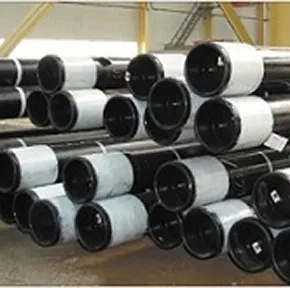
API-5CT Casing
Category: Storage SystemsBrowse number: 418Number:Release time: 2026-06-22 12:05:49API 5CT casing is a core OCTG (Oil Country Tubular Goods) product strictly manufactured in accordance with the latest API Spec 5CT international standard, serving as the primary structural protection pipe for onshore and offshore oil, gas, and geothermal wells. As the critical barrier of wellbore integrity, it is installed during drilling and completion operations to stabilize loose formations, prevent wellbore collapse, isolate oil, gas, and water layers, and avoid cross-layer fluid channeling. -
5000psi Plug Valve
Category: Storage SystemsBrowse number: 138Number: SM-PK-005Release time: 2026-07-16 13:48:095000psi Plug Valve is a precise parameter based product keyword for Google indexing and buyer search. 5000psi Plug Valve helps procurement teams find a focused supplier page for Gathering & Storage, technical specifications, export quotation, application matching, packing documents, and international delivery. Yantai Sanmen Machinery Equipment Co., Ltd. presents 5000psi Plug Valve with clear parameter logic, buyer intent, product use, and quotation guidance so contractors, distributors, EPC buyers, and oilfield service companies can compare 5000psi Plug Valve quickly before sending an inquiry. This summary repeats 5000psi Plug Valve naturally for better relevance without hiding the practical purchasing information buyers need. -
API 5L Line Pipe
Category: Storage SystemsBrowse number: 67Number: SM-PK-011Release time: 2026-09-30 08:00:00API 5L Line Pipe is a specification-focused product keyword for buyers comparing oilfield equipment, industrial machinery, and export-ready petroleum supply. API 5L Line Pipe supports Google search intent by combining parameter and product name in a short title. This summary explains how API 5L Line Pipe fits Storage Systems, with application, model logic, documents, and quotation support from Yantai Sanmen Machinery Equipment Co., Ltd.. Buyers in Nigeria, Ghana, Kenya, Tanzania can use API 5L Line Pipe to request clearer specifications, packing details, and delivery planning. -
5000m3 Storage Tank
Category: Storage SystemsBrowse number: 53Number: SM-PK-012Release time: 2026-10-01 08:00:005000m3 Storage Tank is a specification-focused product keyword for buyers comparing oilfield equipment, industrial machinery, and export-ready petroleum supply. 5000m3 Storage Tank supports Google search intent by combining parameter and product name in a short title. This summary explains how 5000m3 Storage Tank fits Storage Systems, with application, model logic, documents, and quotation support from Yantai Sanmen Machinery Equipment Co., Ltd.. Buyers in Indonesia, Malaysia, Vietnam, Thailand can use 5000m3 Storage Tank to request clearer specifications, packing details, and delivery planning.
News
Category:
-
[industry news]API 5CT Casing for Oil Wells: Steel Grade, Thread and Export...
2026-06-27 16:27:28 -
[Company News]Yantai Sanmen Machinery Expands API-5CT Casing Export Supply...
2026-07-17 10:00:00 -
[Company News]Oil Storage Tank Technical Application for United States Oil...
2026-10-30 10:00:00
Case
Category:
No search results found!
Video
Category:
No search results found!
Download
Category:
No search results found!
Job
Category:
No search results found!
Featured Products
-
NEWS
API-5CT Casing
Learn more



 WhatsApp
 Phone
Phone